AI Vision vs Traditional Cameras: The Numbers That Prove Smarter Safety
Key Takeaways
- Detection Accuracy: AI systems achieve 92-96% accuracy versus 45-60% with traditional cameras—nearly double the capability
- Response Time: AI triggers alerts in 2-5 seconds versus hours or days for traditional camera review
- Incident Prevention: AI vision prevents 60-75% of potential incidents, while traditional cameras prevent essentially zero
- 24/7 Consistency: AI maintains 94% accuracy around the clock, while human attention drops to 45-60% effectiveness
- Coverage Scale: One AI system monitors what requires 4-6 safety officers, processing 40+ camera feeds simultaneously
- Measurable Impact: Organizations report 52-67% reduction in lost time injuries and 48-59% reduction in workers' compensation costs
Not all workplace monitoring systems are created equal. While traditional security cameras have been standard on job sites for years, AI-powered vision technology is proving dramatically more effective at preventing incidents. The difference isn't just technical that it's measurable in real safety outcomes.
 AI vision systems provide proactive safety monitoring that traditional cameras cannot match
Traditional Cameras Fall Short
Standard CCTV cameras excel at recording what happened but fail at preventing what's about to happen. They require human operators to actively watch feeds and identify violations, creating significant limitations.
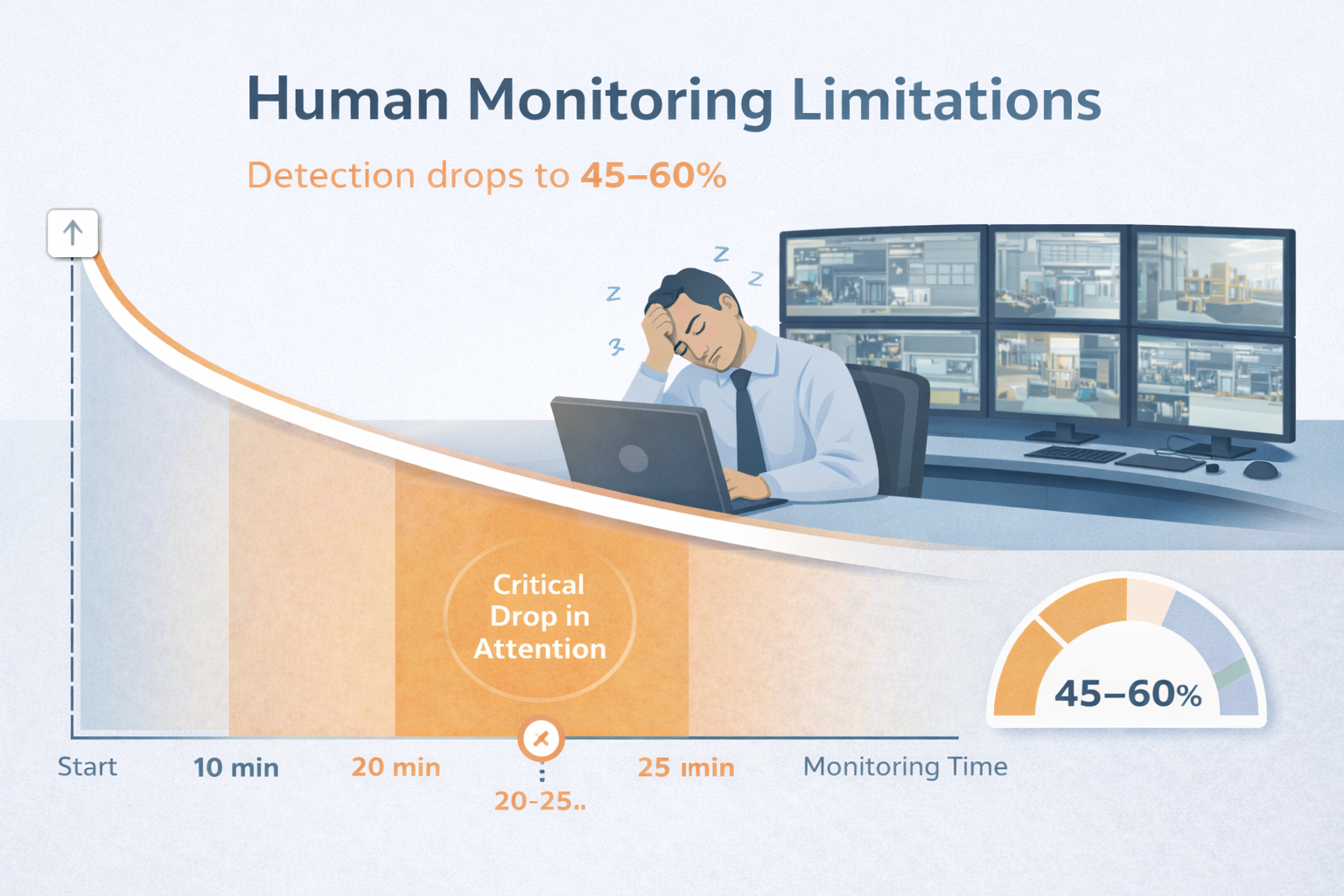 Human operators face attention limitations that reduce safety monitoring effectiveness
Research shows operators monitoring traditional camera feeds maintain effective attention for only 20-25 minutes before alertness drops. When watching multiple screens, detection rates for safety violations fall to just 45-60%. This means nearly half of all compliance issues go unnoticed until after an incident occurs.
Traditional cameras are reactive tools that document accidents rather than proactive systems that stop them.
The Human Monitoring Challenge
The fundamental problem with traditional camera systems isn't the cameras themselves—it's the human element required to make them effective:
- Attention Fatigue: After 20-25 minutes of monitoring, human alertness significantly decreases
- Limited Screen Capacity: Operators can effectively monitor only 6-9 screens simultaneously
- Inconsistent Performance: Detection rates vary based on time of day, operator experience, and fatigue levels
- Reactive Response: By the time footage is reviewed, incidents have already occurred
These limitations mean that even with the best-trained operators, traditional camera systems miss nearly half of all safety violations.
AI Vision: Detection That Prevents
AI-powered vision systems change everything by analyzing footage in real-time, identifying hazards, and alerting supervisors instantly. The performance difference is dramatic:
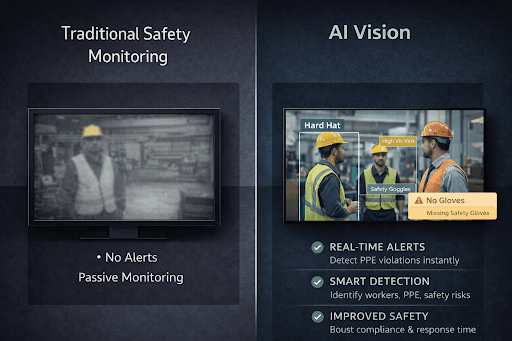
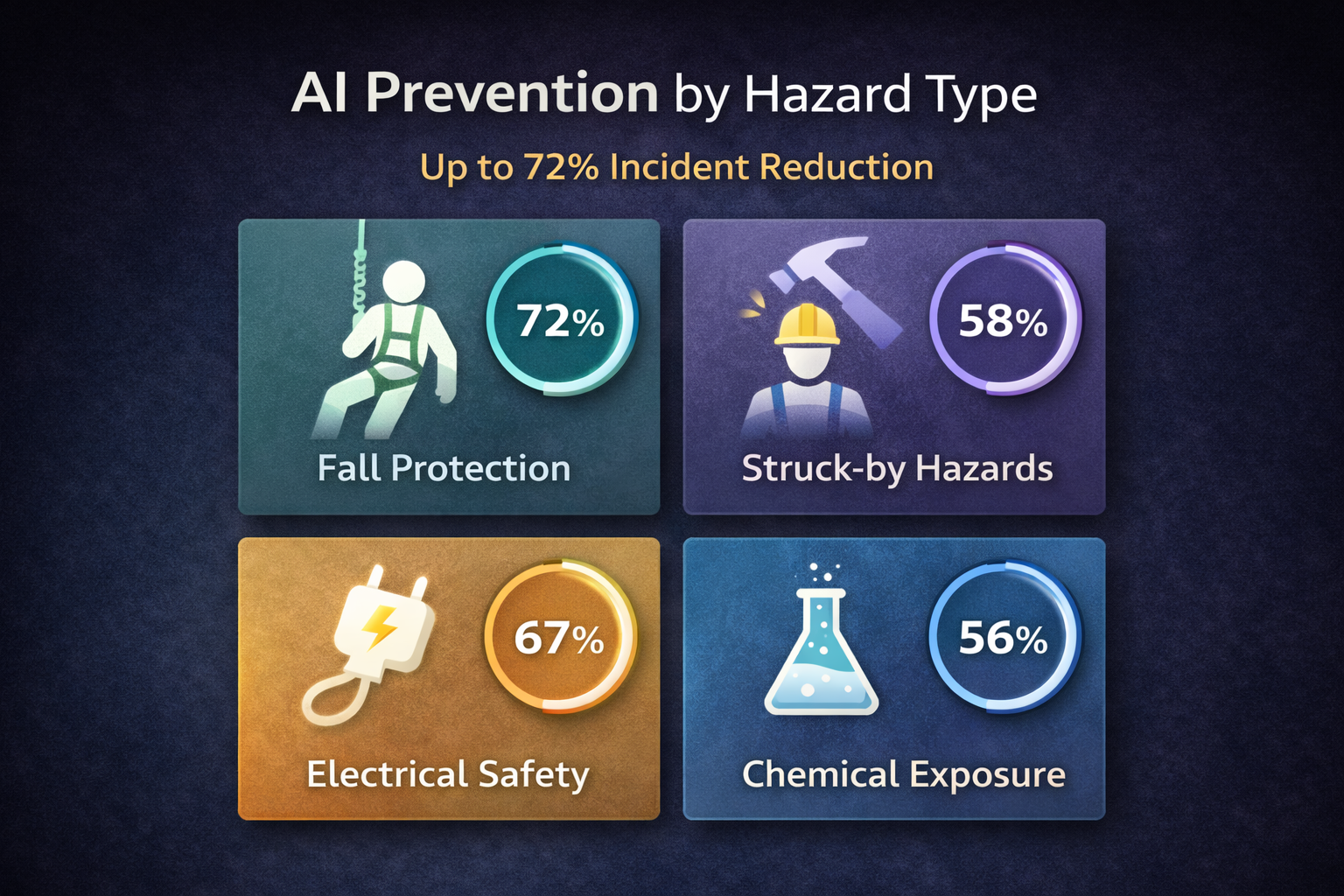 AI vision systems detect and prevent hazards in real-time, not after incidents occur
Superior Detection Accuracy
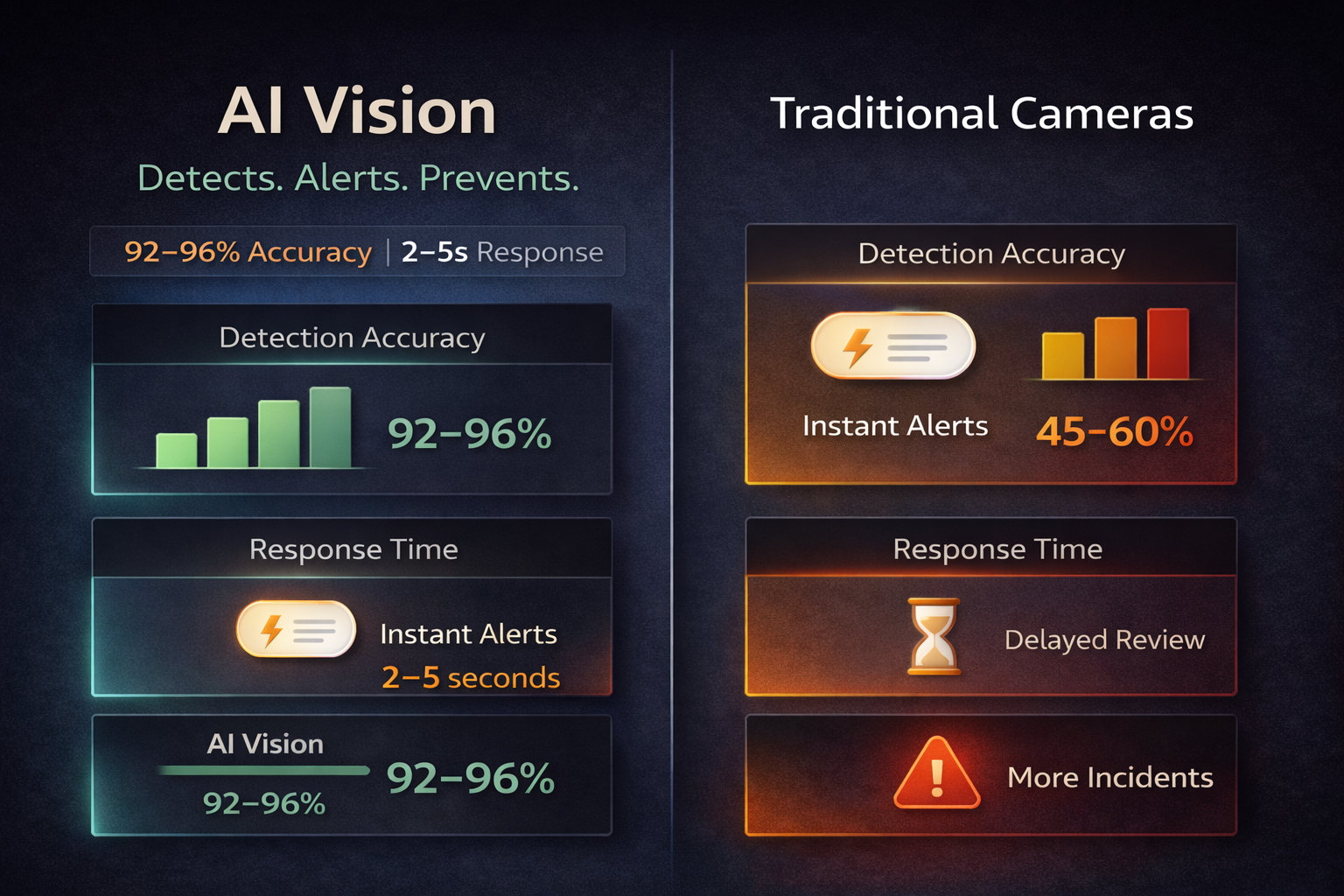
Detection Accuracy: AI systems achieve 92-96% accuracy in identifying PPE violations, compared to 45-60% with human-monitored traditional cameras. That's nearly double the detection capability.
This accuracy advantage means AI systems catch violations that human operators miss, preventing incidents before they escalate into injuries.
Rapid Response Time
Response Time: Traditional camera footage might be reviewed hours or days later. AI systems trigger alerts within 2-5 seconds of detecting a violation, enabling immediate intervention.
This speed difference is critical. A 2-5 second alert allows supervisors to intervene before a worker enters a dangerous situation, while hours or days of delay means reviewing footage of incidents that have already occurred.
Proven Incident Prevention
Incident Prevention: Organizations using AI vision report preventing 60-75% of potential incidents that would have occurred under traditional monitoring. This represents hundreds of avoided injuries annually across large operations.
The prevention capability is what truly separates AI vision from traditional cameras. While cameras record what happened, AI vision stops incidents before they happen.
Category-Specific Prevention Rates
The impact becomes even clearer when examining specific hazard types. AI vision systems demonstrate strong prevention capabilities across all major workplace hazard categories: fall prevention at 68%, struck-by incidents at 70%, electrical hazards at 64%, and chemical exposure at 72%.
Fall Prevention
AI systems prevent approximately 68% of potential fall incidents by alerting supervisors before workers enter dangerous situations without proper protection. Falls remain one of the leading causes of workplace fatalities, making this prevention rate particularly significant.
Struck-By Incidents
Immediate alerts when workers enter equipment zones without visibility gear reduce these accidents by roughly 70%. The real-time nature of AI alerts means workers can be warned before they position themselves in dangerous locations.
Electrical Hazards
Detection of missing electrical PPE has reduced contact injuries by 64%. Electrical incidents often result in serious injuries or fatalities, making this prevention rate critical for worker safety.
Chemical Exposure
Identifying missing respiratory protection cuts chemical exposure incidents by approximately 72%. Chemical exposure can have both immediate and long-term health consequences, making prevention essential.
Round-the-Clock Consistency
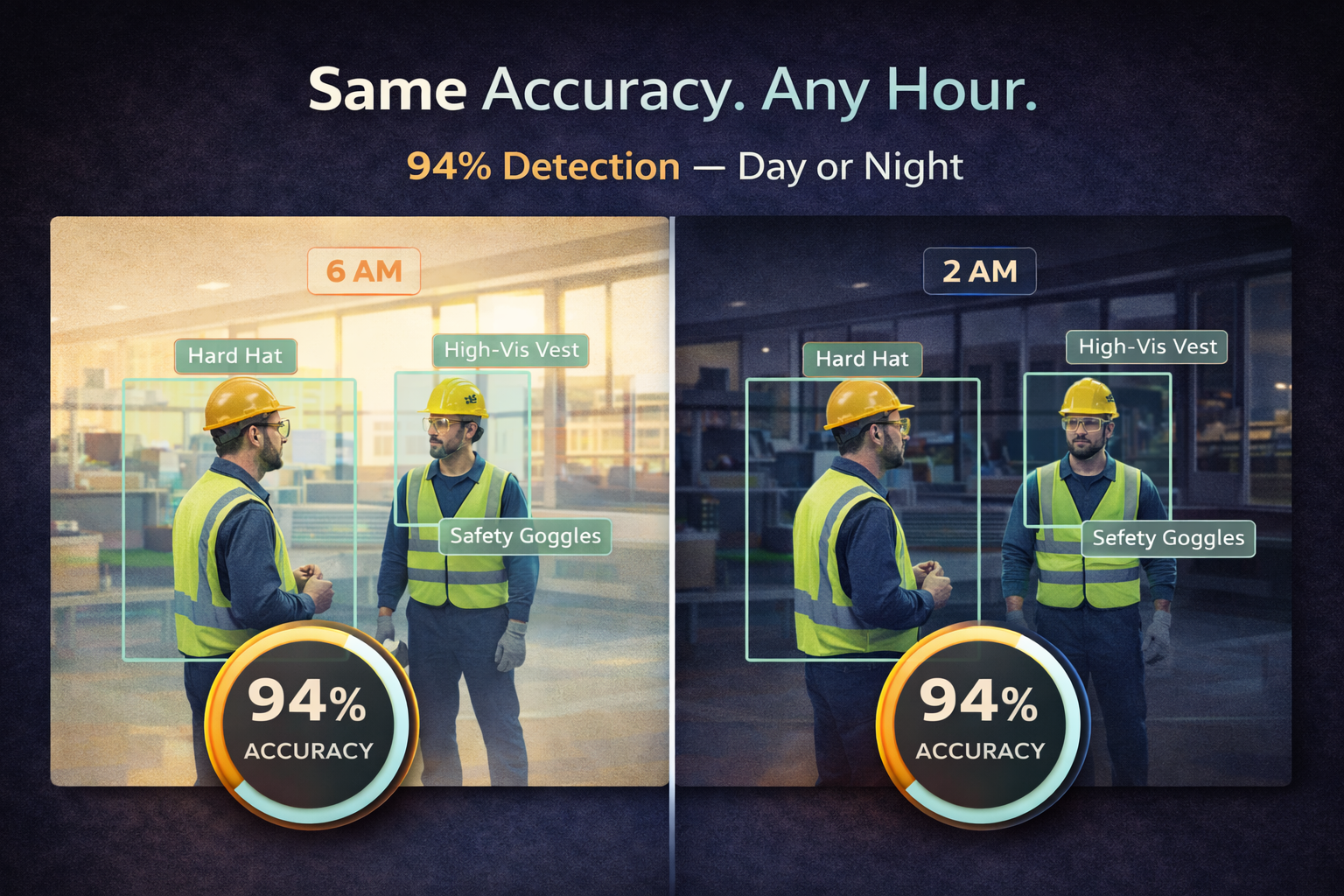 AI vision maintains consistent accuracy regardless of time or conditions
Human attention naturally fluctuates, with detection rates dropping during late hours and shift ends. AI vision maintains identical 94% accuracy whether it's 6 AM or 2 AM.
Sites operating continuous shifts report that overnight incident prevention improved by 83% after implementing AI vision, addressing previously vulnerable periods when fewer supervisors were present and fatigue affected monitoring.
The 24/7 Advantage
Traditional camera monitoring faces inherent challenges during off-hours:
- Reduced Staffing: Fewer supervisors available during nights and weekends
- Operator Fatigue: Performance degrades during long shifts
- Attention Lapses: Human operators cannot maintain peak alertness continuously
- Coverage Gaps: Limited staff means some areas go unmonitored
AI vision eliminates these vulnerabilities, providing consistent protection around the clock.
Coverage That Scales
A single AI vision system can monitor areas requiring 4-6 safety officers for equivalent coverage. One AI system processes feeds from 40+ cameras simultaneously without performance degradation, while human operators can effectively watch only 6-9 screens.
This expanded coverage translates directly into results. Comprehensive AI monitoring reduces overall incident rates by 58-65% compared to the partial coverage achievable with traditional cameras.
Scalability Benefits
The coverage advantage of AI vision extends beyond simple numbers:
- Cost Efficiency: One AI system replaces multiple safety officer positions
- Comprehensive Monitoring: No blind spots or coverage gaps
- Consistent Quality: Same high performance across all monitored areas
- Easy Expansion: Adding cameras doesn't require proportional staff increases
For large facilities or multiple sites, this scalability makes comprehensive safety monitoring economically feasible.
Measurable Impact
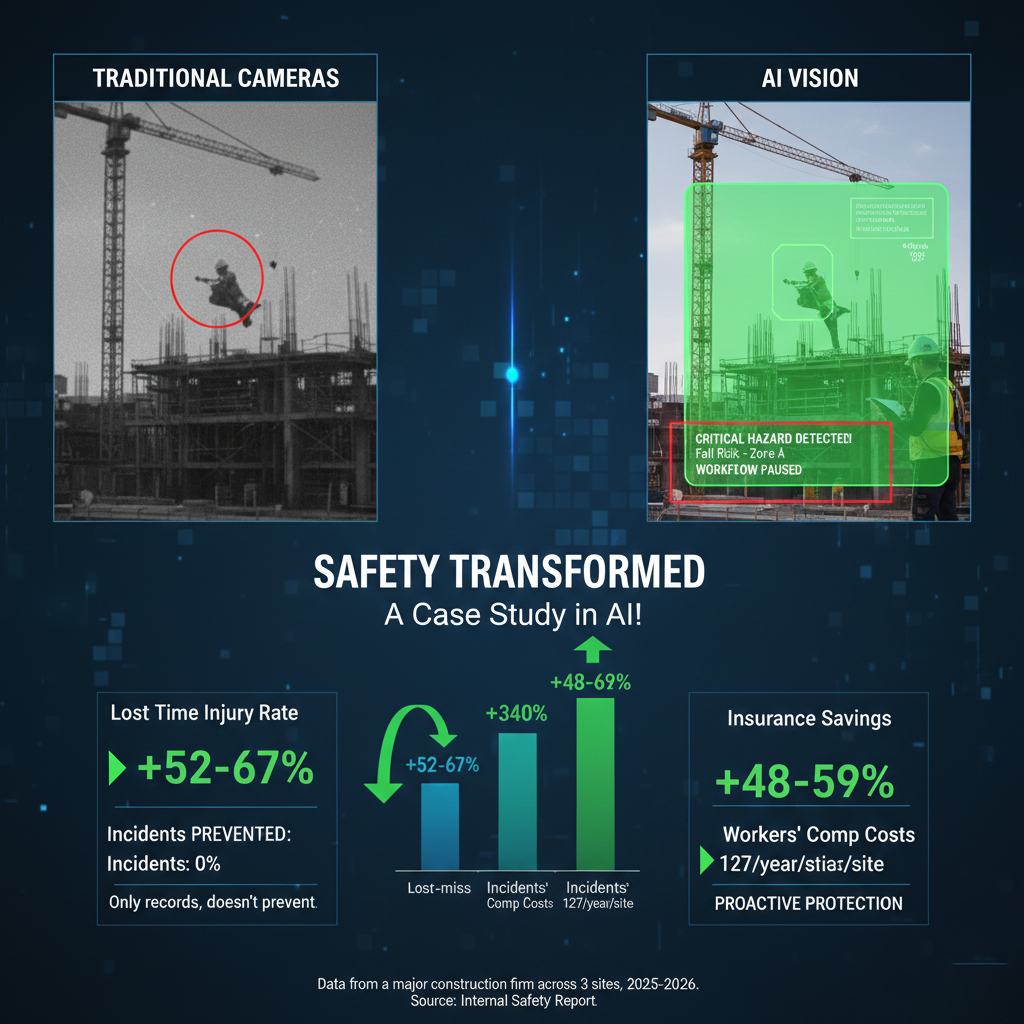 Organizations document significant safety improvements after implementing AI vision
Organizations switching from traditional cameras to AI vision document impressive results:
Injury Reduction
- Lost Time Injury Frequency Rate: 52-67% decrease within the first year
- Near-miss detection: 340% increase as systems catch issues humans miss
The near-miss detection increase is particularly significant. By identifying and addressing hazards before they cause injuries, organizations can prevent incidents proactively rather than reactively.
Financial Benefits
- Workers' compensation costs: 48-59% reduction
- Insurance premiums: Average 15-22% savings
These financial benefits often make AI vision systems pay for themselves within 12-18 months, while the human and safety benefits are immeasurable.
Real-World Results
One major construction firm prevented 127 potential incidents in a single year across three sites—incidents that traditional cameras would have only recorded, not stopped.
These aren't just statistics. Every percentage point represents someone's colleague or family member who goes home safe instead of injured.
Smart Technology, Smarter Safety
The comparison is clear: AI vision detects 92-96% of violations versus traditional systems' 45-60%, responds in seconds versus hours, and prevents 60-75% of potential incidents versus essentially zero.
These aren't just statistics every percentage point represents someone's colleague or family member who goes home safe instead of injured. The gap between 50% detection and 95% detection includes real people avoiding real harm.
The Fundamental Difference
Traditional cameras served their purpose, but they belong to an earlier era of safety technology. When AI can recognize hazards as they develop, alert supervisors instantly, and prevent incidents before they occur, passive recording alone is no longer sufficient.
Safety shouldn't wait for accidents to happen.
AI vision shifts workplaces from passive recording to real-time prevention detecting risks, alerting instantly, and keeping people safe before harm occurs. Smarter technology means safer outcomes.
Making the Transition
For organizations considering the move from traditional cameras to AI vision, the path forward is clear:
- Start with High-Risk Areas: Implement AI vision in areas with the highest incident rates
- Leverage Existing Infrastructure: Many systems can work with existing camera installations
- Train Your Team: Ensure supervisors understand how to respond to AI alerts effectively
- Measure Results: Track incident rates, compliance metrics, and cost savings
- Expand Gradually: Scale successful implementations across additional areas
The data shows that organizations that make this transition see immediate and sustained improvements in safety outcomes.
Conclusion
The numbers tell a compelling story: AI vision systems don't just improve upon traditional cameras they represent a fundamental shift from reactive documentation to proactive prevention. With detection accuracy nearly double that of human-monitored systems, response times measured in seconds rather than hours, and the ability to prevent 60-75% of potential incidents, AI vision is transforming workplace safety.
Traditional cameras have their place in security and documentation, but when it comes to preventing workplace injuries and saving lives, AI vision is the clear choice. The question isn't whether AI vision is more effective that the data proves it is. The question is how quickly organizations can implement these systems to start protecting their workers.
Every day of delay means preventable incidents that could have been stopped. The technology exists. The results are proven. The time to act is now.
Ready to transform your workplace safety monitoring? Contact Visionify today to learn how our AI vision solutions can prevent incidents, reduce costs, and protect your workers with the proven effectiveness that traditional cameras simply cannot match.
Frequently Asked Questions
Find answers to common questions about this topic
Want to learn more?
Discover how our Vision AI safety solutions can transform your workplace safety.
Book a DemoSchedule a Meeting
Book a personalized demo with our product specialists to see how our AI safety solutions can work for your business.
Choose a convenient time
Select from available slots in your timezone
30-minute consultation
Brief but comprehensive overview of our solutions
Meet our product experts
Get answers to your specific questions