Why Today's EHS Leaders Can't Rely on Hazard Hunting Anymore
See It In Action
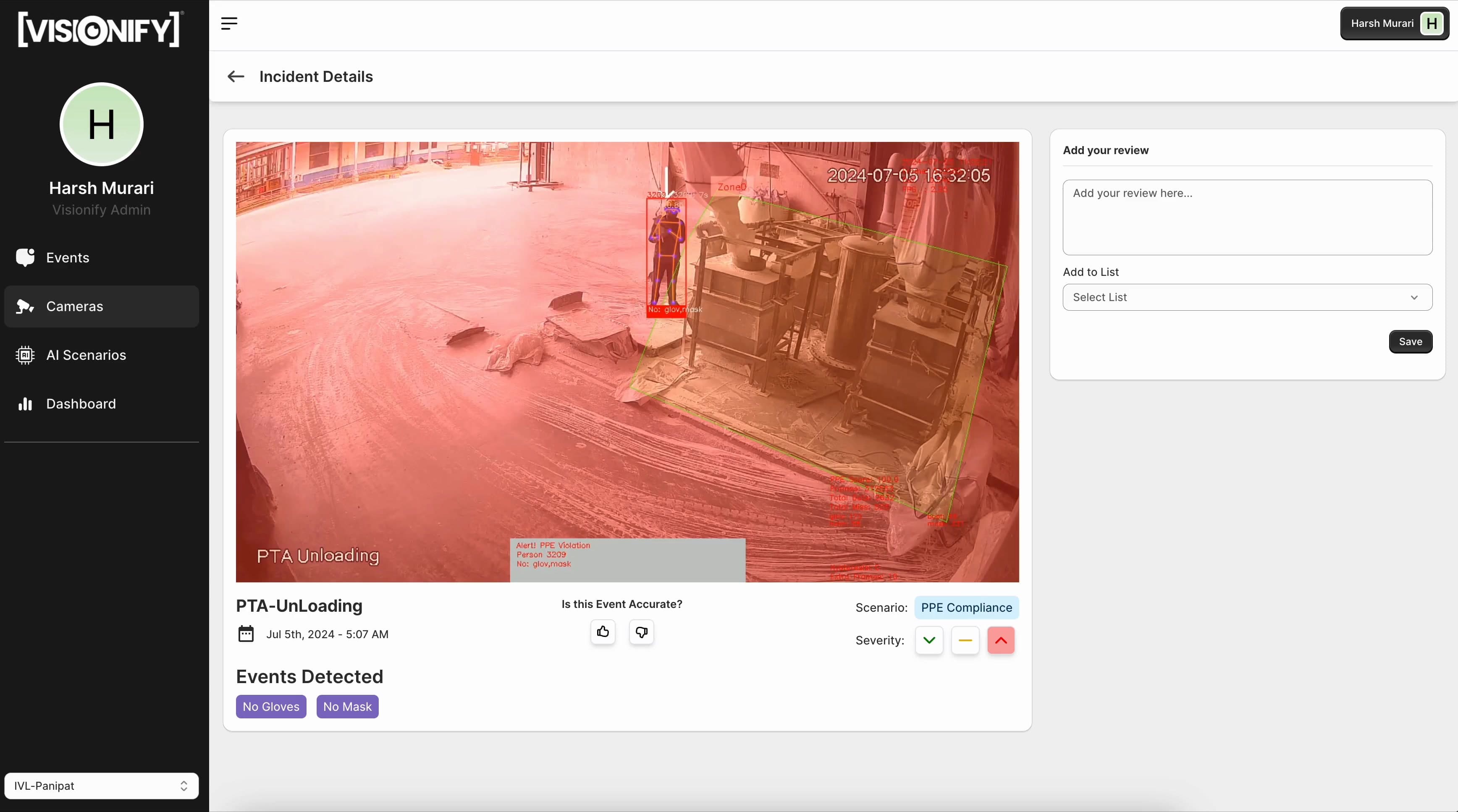
AI-Powered Exposure Reduction in Action
See how Visionify's continuous monitoring identifies exposure patterns and prevents serious injuries before they occur
Example Videos
AI-Powered Exposure Reduction in Action
See how Visionify's continuous monitoring identifies exposure patterns and prevents serious injuries before they occur
Forklift Exposure Pattern Detection
Watch how AI detects repeated forklift near-misses and exposure patterns invisible to traditional hazard hunting
PPE Compliance Exposure Tracking
See how continuous monitoring tracks PPE violations and exposure frequency, not just hazard existence
Predictive Pattern Detection
How AI identifies exposure patterns and predicts incidents before they become serious injuries
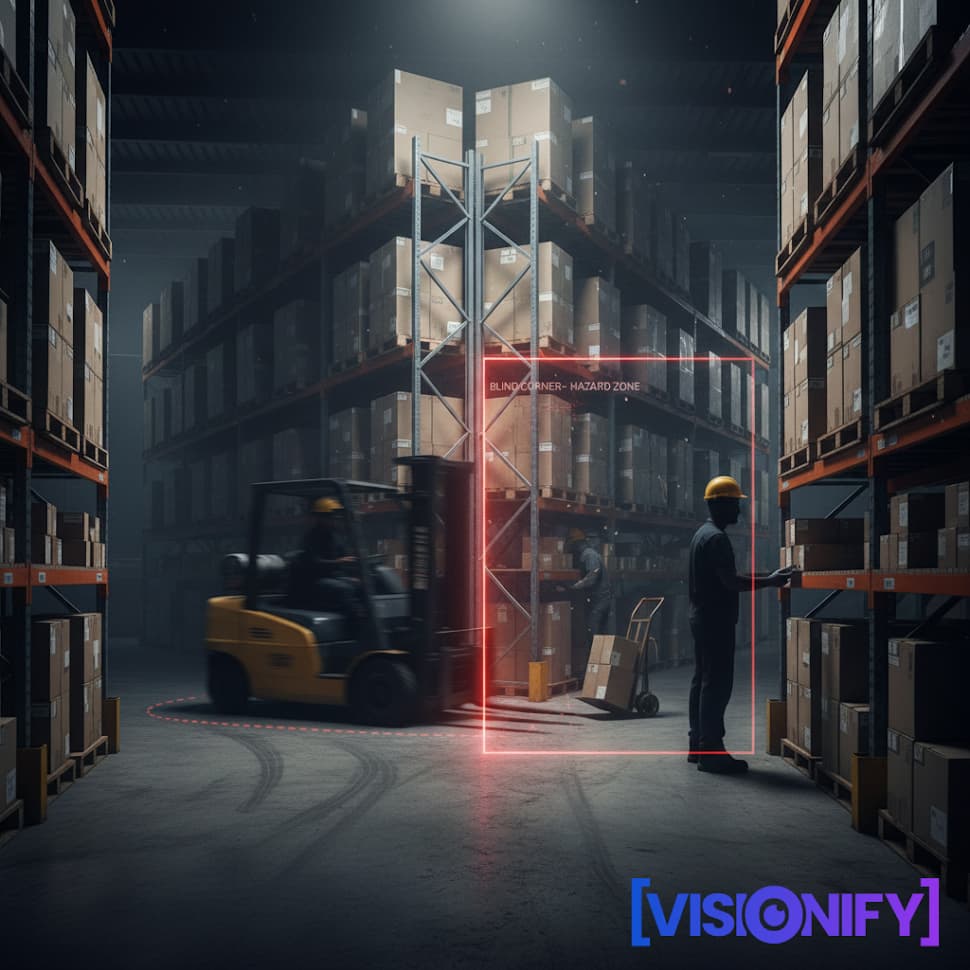
Picture this: It's 2:47 PM on a Tuesday. A forklift operator backs into a blind corner for the third time this week. No incident report gets filed. No one sees it happen. The risk accumulates invisibly, waiting for probability to catch up.
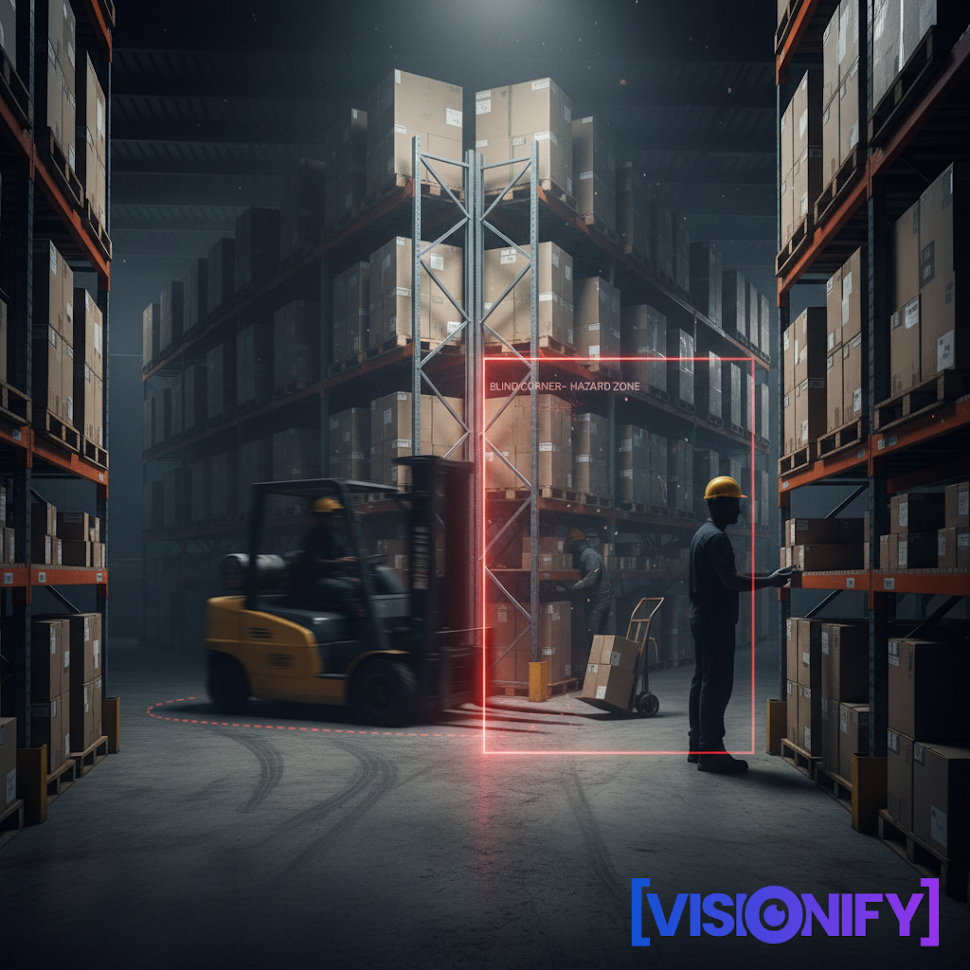 The invisible risks that accumulate between safety inspections
This is the problem with traditional safety and it's happening in workplaces everywhere, right now.
The Old Way Isn't Working Anymore
You know the drill. Walk the floor with a clipboard. Check boxes. Document hazards. Review last month's incidents in safety meetings.
It's a system built to document what already went wrong, not prevent what's about to.
Here's the uncomfortable truth: In high-risk industries, that approach is failing.
Why? Because the most dangerous risks don't announce themselves. They happen quietly. They compound across hundreds of near-misses you'll never see. They hide in the gaps between your quarterly audits. They live in those fifteen seconds when no one's watching.
You can't fix what you can't see.
What You're Missing Right Now
Think about what happens between your safety inspections:
- A worker removes their hard hat when they think no one's looking
- A forklift speeds through a pedestrian zone during shift change
- Someone bypasses a guardrail to save 30 seconds
- A spill goes unnoticed until someone slips
None of these get reported. None show up in your safety logs. But they're happening. Every day. Multiple times.
The scary part? Studies show that for every serious injury, there are about 300 near-misses that go completely unreported. Your traditional hazard hunting captures maybe 5% of what's actually happening.
The Game-Changing Shift
Here's where it gets interesting.
Traditional safety asks: "What hazards exist?"
Modern safety asks: "How often are workers actually exposed to them?"
That one question changes everything.
Here's What We Mean
You can identify a fall risk during an inspection. Check the box. Document it. Done.
But here's the problem: If workers bypass that guardrail 40 times a day when no one's looking, your hazard log means nothing. The exposure is what kills people, not the knowledge that a hazard exists.
This is the shift from hazard hunting to exposure reduction. And it requires a completely different approach.
Instead of snapshots in time, you need continuous visibility. Instead of finding hazards, you need to measure how often risky interactions happen. Instead of reacting to incidents, you need to spot patterns before they become catastrophes.
How AI Changes Everything
This is where technology finally catches up to reality.
Imagine having eyes on your highest-risk areas 24/7. Not to police people. Not to catch them doing something wrong. But to spot dangerous patterns before they become incidents.
AI-powered video analysis that catches what traditional methods miss entirely:
- Repeated forklift near-misses in blind corners
- Workers removing PPE when supervisors aren't around
- High-frequency fall risks that happen during specific times
- Systematic violations that occur during shift changes
Visionify makes this real.
The platform is designed to protect privacy. It's not about watching people—it's about spotting dangerous patterns. The AI focuses on one thing: reducing exposure to serious injuries and fatalities before they become statistics.
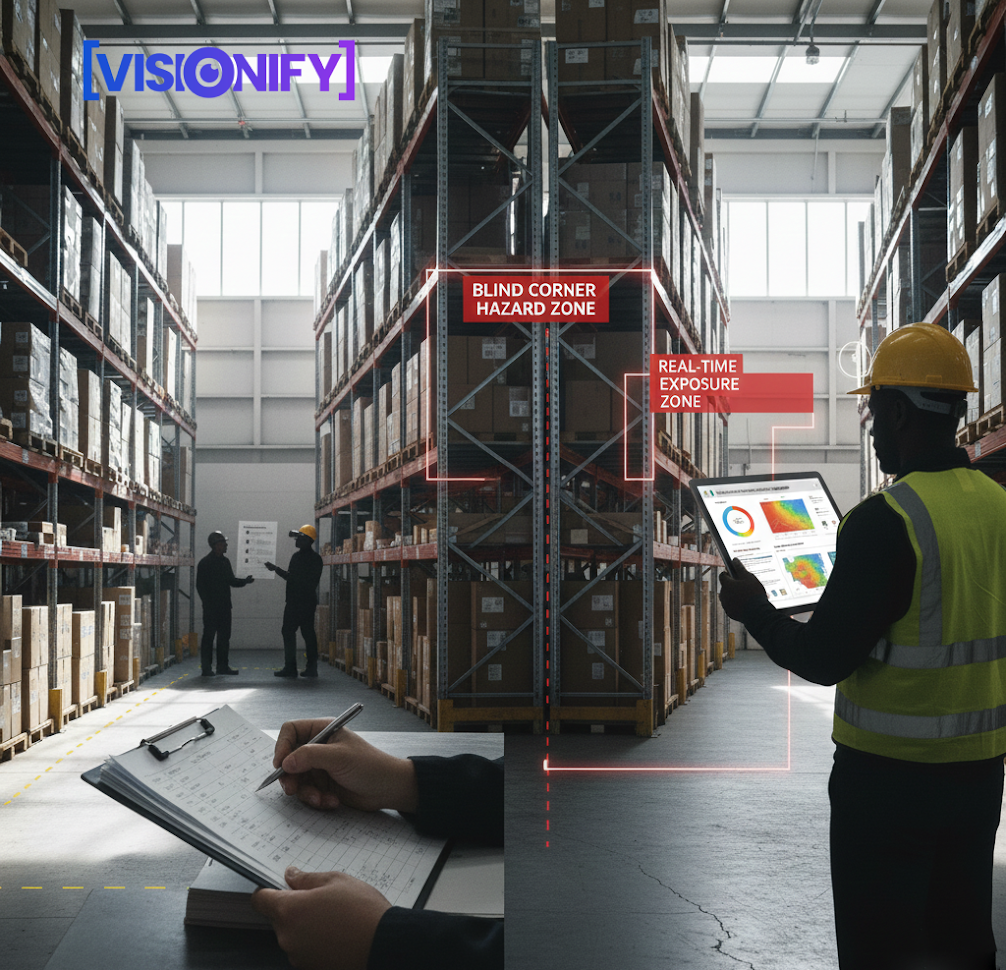 Continuous monitoring identifies exposure patterns invisible to traditional methods
What This Actually Looks Like
Let's break down what continuous monitoring means in real terms:
24/7 Coverage:
- Your high-risk zones are monitored every second of every day
- No gaps. No blind spots. No "between inspections" risks
- Instant alerts when something unsafe happens
Pattern Recognition:
- The system learns your workplace patterns
- It spots when violations happen most often
- It identifies systemic issues you'd never catch manually
Predictive Insights:
- You see where exposure is climbing before injuries follow
- You get data that actually predicts problems
- You can intervene before incidents happen
Actionable Intelligence:
- Less time documenting what happened
- More time fixing what's about to happen
- Clear data to make smart decisions
Suddenly, you're not chasing observations with a clipboard. You're solving problems you can finally see clearly.
What This Means for You
If you're an EHS leader, your role is changing. The companies winning at safety aren't the ones filing the most reports. They're the ones preventing harm before it requires a report.
What You'll Spend Less Time On
- Walking floors with checklists
- Documenting the same hazards every quarter
- Playing safety theater for compliance
- Investigating incidents after they happen
What You'll Spend More Time On
- Coaching teams on why shortcuts are dangerous
- Designing solutions that eliminate repeat risks
- Partnering with operations to fix systemic problems
- Actually preventing incidents instead of documenting them
Your value isn't in observation anymore. It's in prevention.
You become the strategic partner who reduces serious harm through data-driven action, not the compliance monitor checking boxes.
This is the shift: From reactive to proactive. From hazard hunting to exposure reduction. From safety officer to risk strategist.
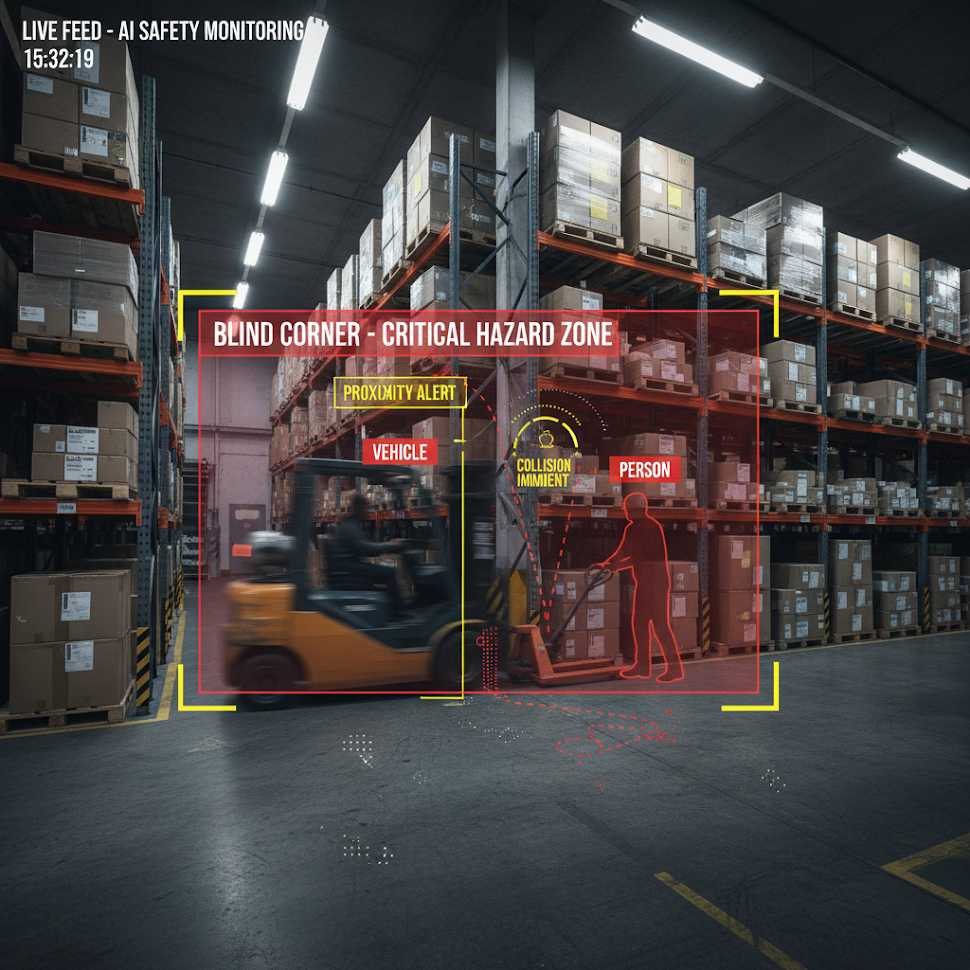 EHS leaders transforming from compliance monitors to strategic risk reduction partners
Real Results from Real Companies
Let's talk numbers. Organizations using Visionify's approach see real changes:
Exposure Reduction :
- 70-85% fewer high-risk exposures within 6 months
- 90%+ reduction in repeat violations
- 60-80% fewer near-misses
Time Savings:
- 50-70% less time on manual safety audits
- 80% less time investigating incidents
- Automated documentation that actually works
Cultural Change:
- 40-50% more voluntary safety reporting
- Better employee engagement
- Shift from "compliance" to "prevention" mindset
A Real Story: Manufacturing Plant
The Problem: A manufacturing facility kept having forklift near-misses in blind corners. They did quarterly safety audits. They identified the hazard. They documented it. But incidents kept happening.
The Solution: They implemented Visionify to track not just that the hazard existed, but how often workers were actually exposed to it.
What They Discovered:
- 47 near-misses in the first week (all previously unreported)
- 80% happened during shift changes when supervision was minimal
- The pattern was clear: workers were rushing during transitions
What They Did:
- Added visual warnings during shift changes
- Reorganized traffic flow based on actual data
- Implemented engineering controls where exposure was highest
The Results:
- Zero incidents in 12 months
- 85% reduction in near-miss frequency
- Workers felt safer knowing the system was watching
The Key Difference: Traditional hazard hunting told them the blind corner was dangerous. Visionify showed them when and why workers were exposed—enabling targeted, effective solutions.
The Bottom Line
Modern safety isn't about reacting faster. It's about being smarter.
It's about seeing that forklift backing into the blind corner for the third time this week and fixing the underlying issue before the fourth time becomes a fatality.
It's about transforming safety from a documentation exercise into something that actually saves lives.
The question isn't whether this shift is coming. The question is whether you'll lead it or get left behind.
Why Visionify Works
Visionify partners with safety teams to make real-time prevention a reality. Our AI platform helps you:
- See risk clearly – Know what's happening, when it's happening, and how often
- Act decisively – Use data to make smart interventions
- Protect workers – Prevent serious injuries before they occur
We've helped hundreds of companies across manufacturing, construction, warehousing, and logistics transform their safety programs. From reactive hazard hunting to proactive exposure reduction.
Ready to See What You've Been Missing?
Every day without continuous monitoring is a day of invisible risk accumulation. Every near-miss that goes unseen is a potential incident waiting to happen.
The cost of waiting is too high.
Discover how Visionify helps EHS leaders shift from hazard hunting to exposure reduction. See how continuous, AI-powered monitoring prevents serious injuries and fatalities before they occur.
Because when it comes to safety, seeing the patterns before they become incidents isn't just smart as well as it's essential.
Ready to transform your safety approach? Contact Visionify to learn how AI-powered exposure reduction can help you prevent serious injuries and fatalities before they occur.
Frequently Asked Questions
Find answers to common questions about this topic
Want to learn more?
Discover how our Vision AI safety solutions can transform your workplace safety.
Book a DemoSchedule a Meeting
Book a personalized demo with our product specialists to see how our AI safety solutions can work for your business.
Choose a convenient time
Select from available slots in your timezone
30-minute consultation
Brief but comprehensive overview of our solutions
Meet our product experts
Get answers to your specific questions